Compare Local Contractors for Heat Pump Installation Services
Compare local contractors for heat pump installation to define project scope, verify experience, and set clear expectations in writing for a successful upgrade.
Heat pump installation services typically encompass a range of tasks involved in setting up a heating and cooling system that uses a heat pump unit. This work can include assessing the property's heating and cooling needs, preparing the installation site, mounting the equipment, connecting electrical and refrigerant lines, and ensuring the system operates efficiently. Proper installation is essential to maximize performance and energy efficiency, making it important for property owners to work with experienced service providers who understand the specific requirements of heat pump systems and local building codes.
Defining the scope of work before starting a project helps establish clear expectations and reduces the risk of misunderstandings. A well-defined scope might specify which parts of the system will be installed or replaced, the extent of site preparation, and any additional work such as ductwork modifications or electrical upgrades. Having these details in writing ensures that property owners and contractors share a mutual understanding of the project’s boundaries and deliverables, which can prevent delays and help facilitate a smooth installation process.
Property owners can compare local contractors by considering their experience with heat pump systems, the range of services offered, and their reputation within the community. It’s advisable to review credentials, request references, and verify that contractors have handled projects similar in scope and complexity. Additionally, examining how contractors communicate and whether they provide detailed written proposals can help property owners evaluate their professionalism and transparency. Taking these steps can lead to a more informed decision when selecting a service provider to handle heat pump installation.
Compare local contractors by outlining your project priorities, verifying experience, and clearly defining scope and expectations in writing.
- Compare Contractor Experience - review the backgrounds of local contractors to ensure relevant installation expertise.
- Define Project Scope - clearly outline the work to be performed and expectations in writing before starting.
- Verify Credentials - confirm that service providers have the necessary experience and qualifications for heat pump installation.
- Request Written Agreements - ensure all details, including scope and responsibilities, are documented in a formal agreement.
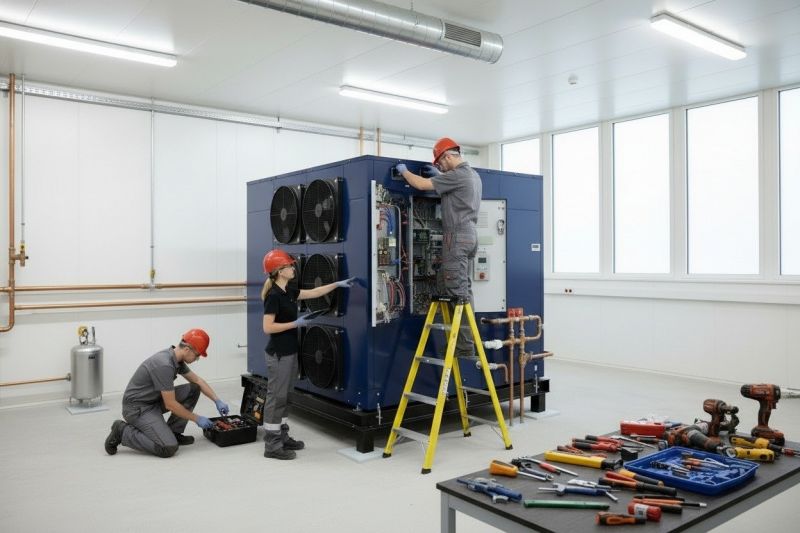
Clearly describe your heat pump installation project to help local contractors understand your needs and compare their expertise.
- Verify experience and expertise in installing heat pumps to ensure proper system setup. - Ensure service providers clearly define the scope of work and installation process in writing.
- Compare qualifications and service offerings among local contractors to find those with relevant experience. - Check that contractors follow industry best practices for heat pump installation.
- Confirm that the installation plan includes proper site assessment and system sizing considerations. - Make sure the scope covers electrical connections, ductwork, and any necessary modifications.
- Review written estimates or proposals to understand the work included and set clear expectations. - Look for detailed documentation outlining the installation steps and responsibilities.
- Assess the communication and professionalism of service providers to ensure clear and transparent interactions. - Choose contractors who provide thorough explanations and promptly address questions.
- Request references or examples of previous heat pump installations to evaluate quality and customer satisfaction. - Seek feedback from past clients to gauge reliability and workmanship.
Compare local contractors’ experience, clarify project scope, and document expectations to ensure a smooth installation.
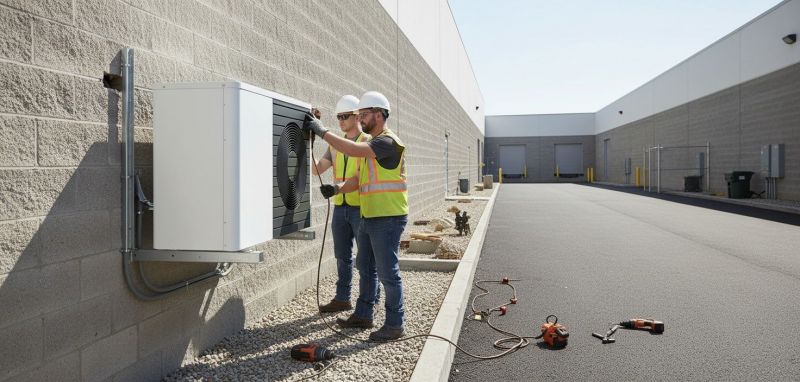

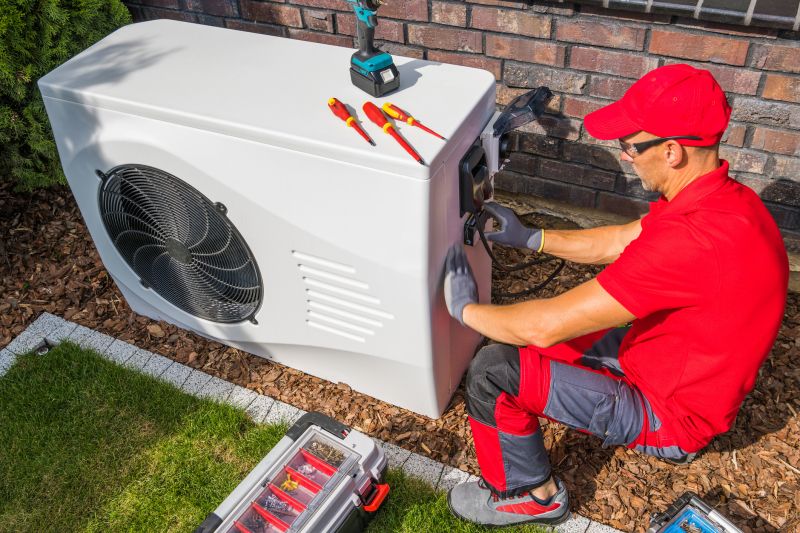
Use consistent comparison criteria to evaluate local contractors’ scope, experience, and written expectations for heat pump installation.
- Define project scope - clearly outline the specific tasks and responsibilities involved in the heat pump installation.
- Verify experience and expertise - ensure service providers have relevant experience with heat pump systems and installation procedures.
- Assess equipment compatibility - confirm that the chosen heat pump model is suitable for the property’s size and heating/cooling needs.
- Establish communication expectations - set clear preferences for how updates and questions will be addressed throughout the project.
- Document scope and expectations in writing - create a detailed agreement that specifies the work to be performed and any agreed-upon standards.
When evaluating contractors for heat pump installation, it’s important to consider their experience with similar projects. Homeowners should inquire about the types of heat pump systems they have installed in the past and whether they are familiar with the specific models or brands being considered. A contractor with a proven track record handling projects comparable in size and complexity can provide insights into potential challenges and ensure the installation aligns with best practices. Verifying a contractor’s relevant experience helps set expectations for quality and compatibility with the existing home systems.
A clear, written scope of work is essential for establishing mutual understanding before any work begins. Homeowners should seek detailed descriptions of what the installation will include, such as system setup, electrical connections, ductwork adjustments, and any additional services. A comprehensive scope helps prevent misunderstandings and provides a reference point for evaluating the contractor’s proposal. It also ensures that all parties are aligned on what is expected, reducing the risk of surprises or incomplete work later in the process.
Verification basics involve confirming that the contractor has a thorough understanding of the project requirements and can articulate a plan for execution. Homeowners should ask how the contractor plans to approach the installation, including site assessment, equipment placement, and integration with existing systems. It’s helpful to request that the contractor outline their process in writing, which can serve as a basis for comparison among different service providers. This step helps ensure that the chosen contractor has a methodical approach to the project, reducing uncertainties and promoting clarity.
Evaluating options without focusing on prices involves assessing how well each contractor’s proposal aligns with the project’s scope and your expectations. Homeowners should compare the level of detail in each proposal, the clarity of the scope, and the experience demonstrated by the contractor’s approach. Asking about references or examples of similar completed projects can provide additional context. By focusing on the quality of the plan, the contractor’s expertise, and the thoroughness of their proposal, homeowners can make informed choices that prioritize the success of the installation rather than just cost considerations.
Ask contractors to provide written scope details to ensure clear understanding and consistent expectations for the project.
- Experience and References - How can I verify the experience of local contractors with heat pump installations?
- Scope of Work - What specific tasks and responsibilities should be included in the installation scope?
- Comparison Criteria - What factors should I consider when comparing different service providers beyond pricing?
- Written Agreement - How important is it to have a detailed scope of work and expectations documented in writing?
- Warranty and Support - What types of warranties or post-installation support should I inquire about with local contractors?
What should I consider when choosing a contractor for heat pump installation? It's important to compare local contractors based on their experience, reputation, and the scope of services they offer to ensure they meet your specific needs.
How can I verify a contractor’s experience with heat pump installations? You can ask service providers about their previous projects, request references, and review any available work history to assess their familiarity with heat pump systems.
What details should be included in a written scope of work? A comprehensive scope should outline the installation process, materials to be used, project milestones, and any warranties or guarantees provided by the contractor.
Why is it important to compare multiple contractors for heat pump installation? Comparing multiple service providers helps identify those with relevant experience, clear communication, and a professional approach, ensuring the project aligns with expectations.
How can I ensure a contractor understands my specific installation needs? Clearly communicate your requirements and ask contractors to provide detailed proposals or plans that outline how they will address your project.
What questions should I ask a contractor before hiring for heat pump installation? Inquire about their experience, the scope of work they offer, how they handle unexpected issues, and how they document project details in writing to set clear expectations.
Understanding the key aspects of heat pump installation can help in making informed decisions. Visitors have learned the importance of clearly defining the scope of work, verifying the experience of service providers, and setting expectations in writing to ensure a smooth process. Comparing local contractors through a straightforward quote form allows for an efficient way to explore options and find the right fit for specific needs.
Using the quote form enables homeowners to connect with trusted local service providers who can handle heat pump installations. By reviewing the details and experience of different contractors, it becomes easier to make a well-informed choice. Taking the time to compare options helps ensure that the project aligns with individual requirements and expectations.